

Top lane sits far from early Dragon fights and stretches a long distance between outer turrets. Small mistakes punish you fast here. One bad trade or mistimed push can cost two minion waves, turret plates, and upper-river control for the next five minutes.
The Top Lane Skills and Subskills Our Coaching Tracks
On your Baron Buff Tracker profile and in post-game AI Coach Review, Top lane performance is evaluated across five skill groups (the sixth group, Jungle decisions, applies only to junglers). Our coaching compares specific laning and mid-game subskills against players at your rank and highlights one concrete habit under Practice this.
Top Lane Coaching Groups and Key Subskills
| Skill Group | Tracked Top Subskills | Coaching Focus Habits |
|---|---|---|
| Laning | Laning XP, CS & champion damage | Trading, spacing & weak-side laning |
| Economy | Mid/late CS & recovery XP/CS | Wave control & recall timing |
| Map awareness | Vision score & deaths after warding | Jungle tracking & safe vision |
| Macro | Post-14 towers & side-lane deaths | Side-lane pressure & rotations |
| Fighting | First deaths & outnumbered fights | Engage timing & target selection |
Reading those subskills together shows where games are actually lost. High Laning champion damage paired with frequent Outnumbered side-lane deaths points straight to mid-game map discipline. You already win the duel; your next rank comes from warding river entrances and retreating five seconds earlier.
Champion Select: Counter Picks vs. Team Synergy
Top laners feel counter picks more sharply than any other role, and our study of more than 5.3 million ranked Solo/Duo games explains why. Top is the only position on Summoner’s Rift where early 15-minute lane gold reaches moderate importance (two stars out of three, compared to one star in every other role). In a long solo lane, a losing matchup lets your opponent freeze waves, deny experience, and finish their Top Role Quest first.
Even in Top lane, winning the first 14 minutes is only half the job. By late draft, countering the broader enemy team and fitting your own allies carry the highest priority (three stars each), ahead of direct lane win rate and early gold (two stars each). Blind picks early in the draft call for overall role strength and blind-pick safety (three stars each) so one bad matchup cannot shut you out. Late picks reward choosing the practiced champion in your pool that answers the enemy lineup and fills your team’s missing frontline or side-lane threat, rather than locking an unpracticed counter.
How to Play Strong Side and Weak Side
Strong side happens when your jungler paths toward Top to contest Voidgrubs, Rift Herald, or enemy camps. Turn that support into guaranteed plays by building a two- or three-wave slow push so a large allied wave crashes into the enemy turret as your jungler arrives. That crash traps the opposing top laner under tower for a coordinated dive, secures turret plates, or gives you first move into the upper river.
Weak side happens when your jungler plays toward bot lane and Dragon while the enemy jungler threatens your half of the map. Your health bar matters more than contested caster minions here. Thin large incoming waves safely so the enemy cannot stack a three-wave dive, hold your escape ability when the enemy jungler is unseen, and stay inside experience range. Absorbing pressure without dying keeps your levels and Role Quest on schedule while your teammates win four-on-three across the map.
Essential Top Lane Tips and Timers
Small timing edges decide most Top lane trades before completed items ever separate the two champions. Build these four checks into every laning phase:
- Hit level-up spikes first: In a solo lane, Level 2 arrives on the first melee minion of the second wave (seven minions total). Attack the opening wave early when the matchup allows, step forward as the seventh minion dies, and trade while you hold two abilities against one. Run the same check on wave three for Level 3 and around wave six or seven for Level 6 ultimates.
- Time recalls around completed crashes: Recall right after your wave fully enters enemy turret range, ideally after stacking a slow push into a cannon wave. The tower clears your minions slowly and sends the next wave pushing back toward you. If low health stops you from crashing safely, recall immediately and give up a few minions rather than dying and losing two full waves. Save Teleport to catch a crashing wave after a forced reset or, once your Role Quest completes, to join an objective fight with the 35% maximum-health Teleport shield.
- Dive only on stacked waves with an exit: Commit to a turret dive only when a large allied wave is already under the tower, enemy jungler and mid positions are known, and your team agrees on who tanks first and drops turret aggro. Turrets deal physical damage with 30% built-in armor penetration and ramp up by 40% per consecutive champion hit, so abort immediately if your wave is too thin or the target still holds Flash or hard crowd control.
- Take turret plates only when your reset timer allows it: Hit for a plate when the opponent is dead or visible on another lane and you can still recall on time. Staying five extra seconds for 160 gold lets the returning top laner catch you low on mana and freeze the next wave outside their tower, which costs more gold, experience, and Role Quest progress than the plate paid.
Top Lane Classes: Differences, Choices, and How to Play Each
Most Top lane champions fit into five practical class groups. Knowing how each class wins keeps you from forcing early brawls on a scaling tank or grouping five-on-five too early on a side-lane duelist:
- Vanguards and Wardens (Ornn, Malphite, Sion, Shen): Pick when your draft lacks frontline durability or carry protection. Trade briefly around defensive shields and short cooldowns, absorb weak-side pressure safely, then clear side waves and arrive at objectives first to start fights (Vanguards) or peel divers off your backline (Wardens).
- Juggernauts (Darius, Mordekaiser, Illaoi, Sett): Immobile melee powerhouses built to win close-range fights against melee-heavy teams. Hold waves near your side of the lane to punish last hits inside your pull or slam range, claim space around Voidgrubs and Herald, and track Flash or Ghost because ranged kiting is your main weakness.
- Bruisers and Divers (Renekton, Camille, Jax, Aatrox): Mobile fighters that blend durability, burst, and two-on-two skirmish strength, making them reliable blind or mid-draft picks. Trade around stun and dash cooldowns in lane, then push side waves for priority before flanking or diving priority enemy carries.
- Duelists and Split Pushers (Fiora, Gwen, Tryndamere): Scaling one-on-one specialists best saved for late draft against tanks or low-crowd-control compositions. Farm cleanly toward your one- and two-item spikes, push the lane opposite the next major objective while allies pressure elsewhere, and retreat as soon as defenders vanish from vision.
- Assassins and Ranged Specialists (Akali, Rengar, Quinn, Kennen): High-tempo picks that work when your jungler or support already supplies a frontline. Use brush control and spacing to punish immobile melee matchups without overextending to ganks, then hunt rotating carries in fog of war or flank objective fights from unwarded angles.
Top Lane Classes Quick Reference
| Class | Common Champions | Pick When | Mid-Game Job |
|---|---|---|---|
| Vanguards & Wardens | Ornn, Malphite, Shen | Missing frontline or peel | Group first; engage or peel |
| Juggernauts | Darius, Mordekaiser, Illaoi | Enemy melee-heavy lineup | Zone objectives; track Flash |
| Bruisers & Divers | Renekton, Camille, Jax | Blind pick or skirmish draft | Push side; dive carries |
| Duelists | Fiora, Gwen, Tryndamere | Low-CC tanks in late draft | Split opposite the objective |
| Assassins & Ranged | Akali, Quinn, Kennen | Allied frontline already locked | Pick rotations or flank fights |
Conclusion: Your Top Lane Game Plan
Consistent Top lane play comes from connecting each phase of the match into one clear plan. In champion select, prioritize blind-pick safety early and full-team counter and synergy value late while staying on champions you know well. During laning, match your wave control to jungle pathing: stack slow-push crashes on strong side, protect your health and experience on weak side, fight around Level 2, 3, and 6 timers, recall on completed crashes, check wave size and turret math before diving, and skip greedy plates.
After outer turrets fall, execute your class’s real job, whether that means starting objective fights as a Vanguard, holding choke points as a Juggernaut, diving carries as a Bruiser, or pulling defenders into a side lane as a Duelist. Pick one recurring bottleneck on your Baron Buff skill radar, focus on it for three games in a row, and turn your Top lane discipline into steady LP.
Related guides
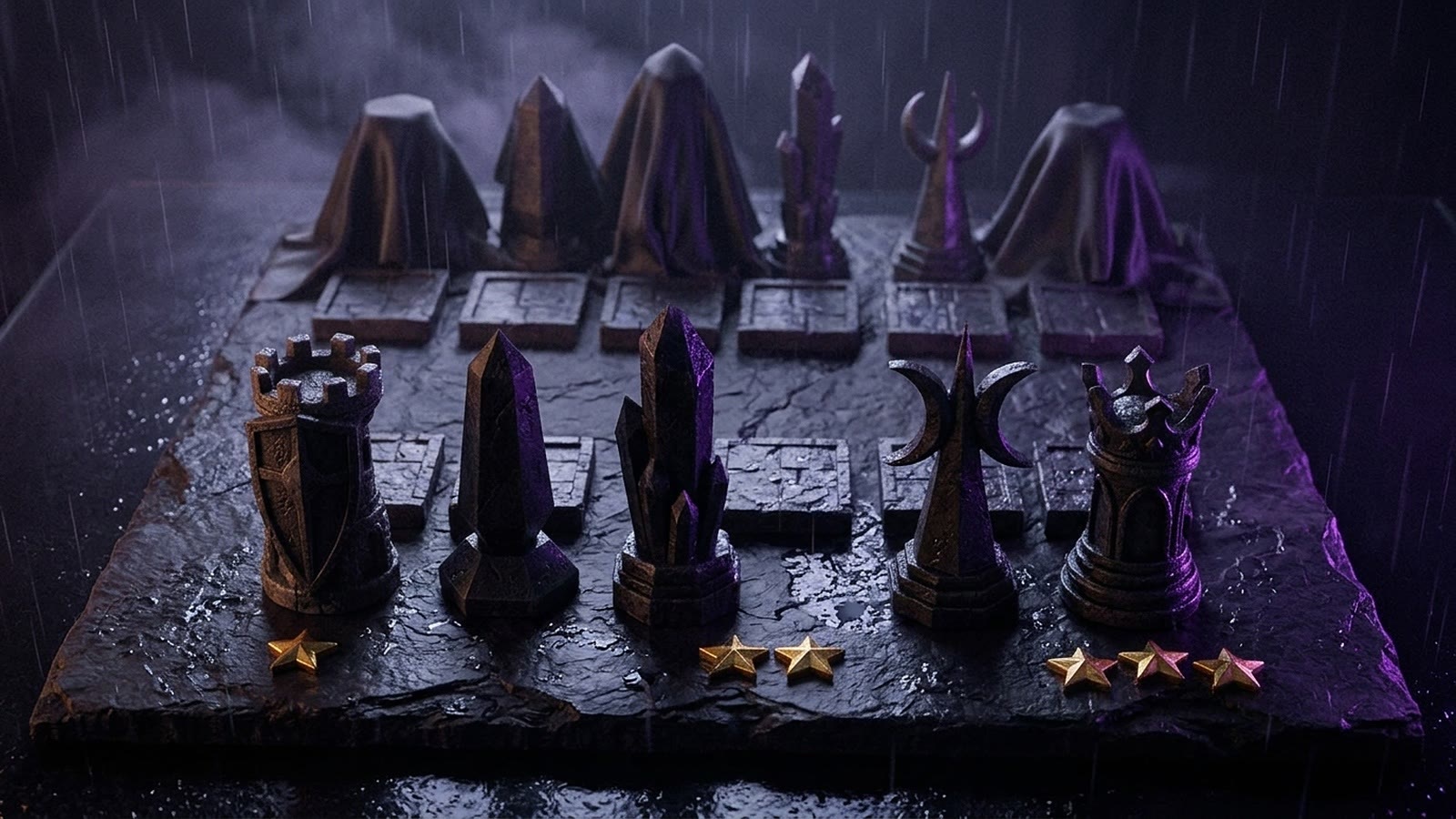
What Matters When You Pick a Champion?
What 5.3 million ranked games tell us about blind picks, lane counters and the teammates you lock in beside.
Read more
How to Play Top Lane From Behind Without Feeding
Recover from a difficult top lane with safer farm, better wave decisions, early dive awareness, and a useful team role even when you are behind.
Read more
How to Play Melee Into Ranged Matchups in Top Lane
Play melee into ranged top matchups with better health management, wave decisions, cooldown checks, and planned trades instead of forced all-ins.
Read more
League of Legends Lane Quests: Rewards and Power Spikes
Learn how League of Legends lane quests work, every role quest reward, and why finishing before your opponent creates a major power spike.
Read more


